
For a 4G SOS watch project, owning the server route can matter as much as the hardware. A self-hosted design can give the buyer more control over data location, user accounts, alerts and integrations, but it also transfers security, uptime and compliance responsibilities to the project team.
Why the A80 is relevant
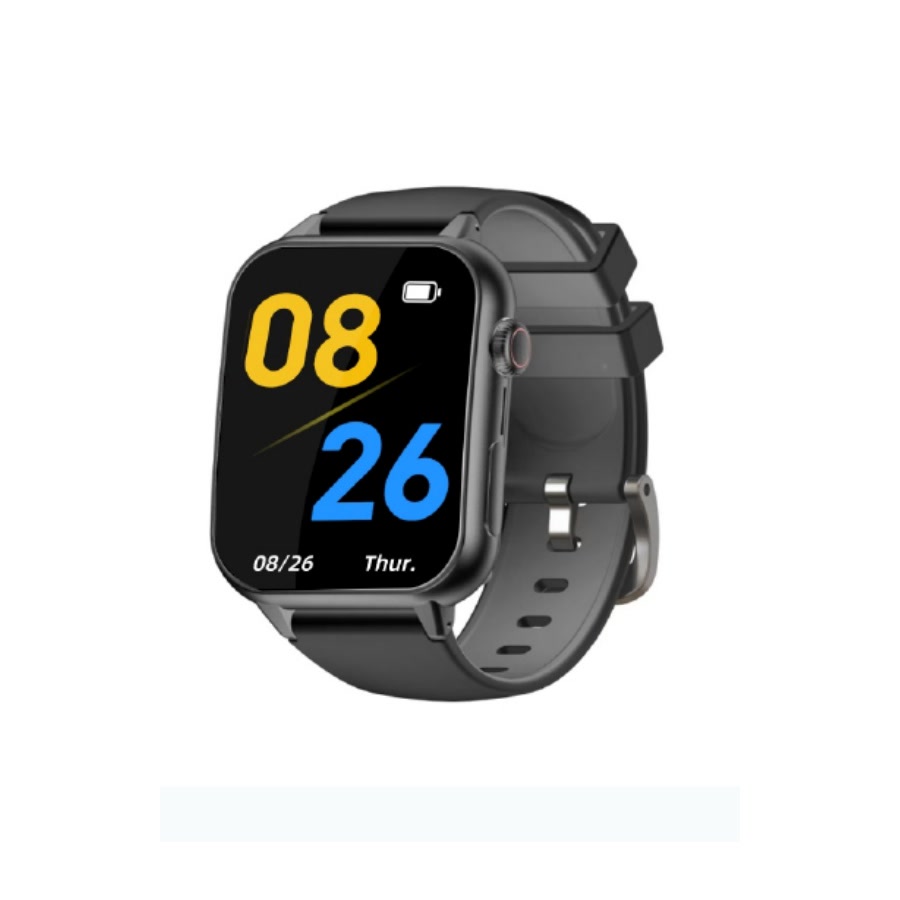
The GALAX A80 4G GPS SOS smartwatch can be evaluated with Sanji Communication Protocol V3.1 documentation for supported projects. The protocol route is intended for buyers building or operating their own care, safety or workforce platform rather than relying only on a generic consumer app.
A80 watch or L16S locator-bracelet direction?
A80 is the documented starting point when a project needs a touchscreen watch, 4G calling, SOS, positioning, wellness fields and a buyer-controlled server route. The L16S elderly locator bracelet is a separate, simpler form-factor direction under evaluation for European senior-location projects. GALAX is not publishing an independent L16S product claim until its final image set, regional bands, firmware functions, certifications and production BOM have been verified. Buyers interested in L16S can request a specification review rather than relying on an incomplete public listing.
Typical integration scope
- Device login, heartbeat and online status
- GPS and supported assisted-positioning messages
- SOS and configured alert events
- Supported wellness-data fields and device status
- Server commands and configuration functions available in the confirmed firmware
Recommended proof-of-concept process
- Freeze the BOM: confirm chipset, modem bands, sensors, battery and firmware branch.
- Map messages: agree required fields, units, timestamps, acknowledgements and retry behavior.
- Build a test endpoint: receive sample-device traffic in a controlled environment.
- Test failure cases: poor coverage, duplicate messages, offline buffering, low battery and server downtime.
- Secure the service: define TLS, authentication, key rotation, access control, logs and incident response.
- Validate locally: check carrier, privacy, radio, consumer-product and any medical-claim requirements in the destination market.
Commercial model and boundaries
For an agreed protocol-integration project, the standard route is designed without mandatory per-device platform licence fees, annual platform fees or revenue sharing. Hardware, customization, engineering, certification, hosting and support costs remain project-specific and must be confirmed in writing.
Senior-care product caution
GPS, fall alerts and wellness sensors can support a care workflow but cannot guarantee rescue or replace professional medical equipment. The final service should communicate coverage limits, battery requirements, escalation rules and sensor limitations to users and caregivers.
Start an integration review
Provide the target country and carrier, server location, data fields, alert workflow, user volume and certification scope. Contact GALAX to request the protocol review and sample plan.
Cybersecurity responsibility checkpoint
A self-hosted deployment changes the responsibility split for user accounts, server uptime, encryption, software updates, vulnerability handling and incident reporting. Define those responsibilities before approving a production configuration. Use the GALAX EU CRA and UK PSTI readiness checklist as an RFQ starting point.
Leave a Reply
You must be logged in to post a comment.